
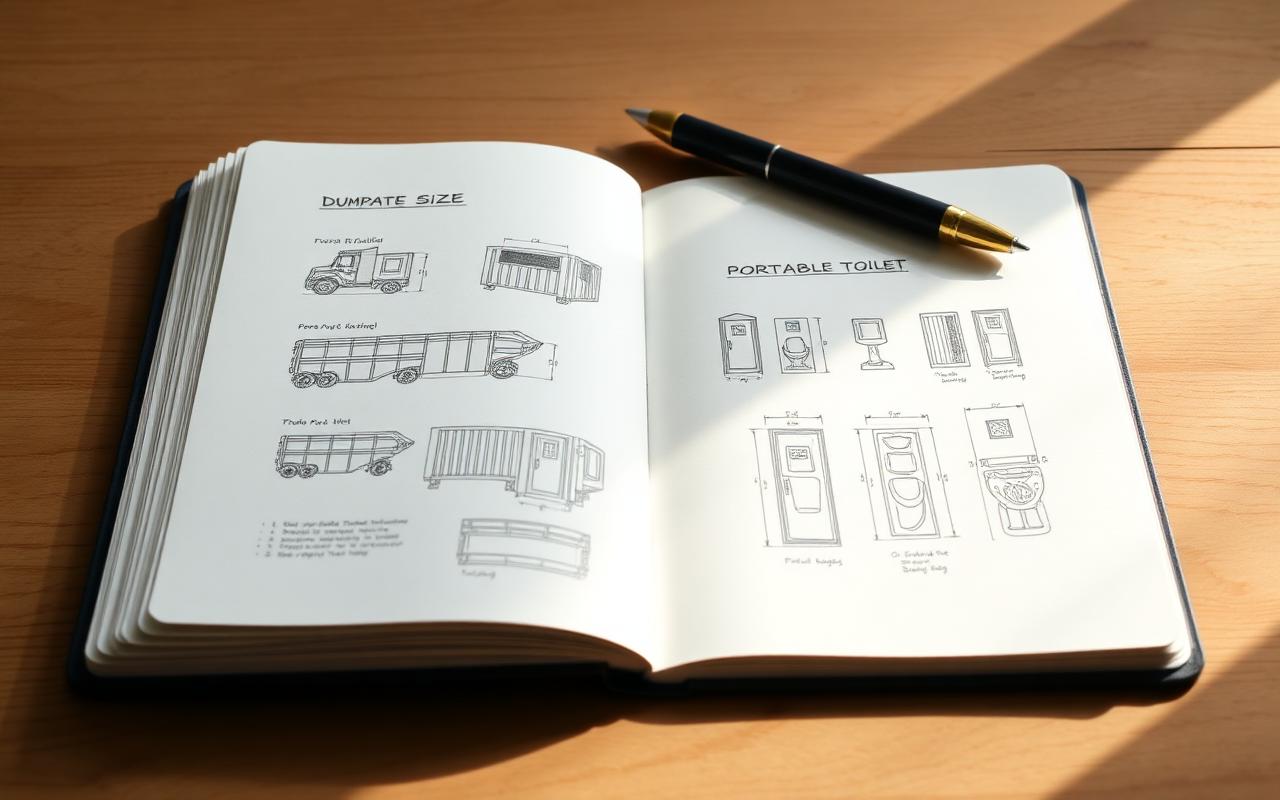
What a dumpster rental actually is
"Dumpster rental" usually means a roll-off container — an open-top steel box delivered on a flatbed truck, set on your driveway or jobsite, filled up, and hauled off. The container is yours for a set rental period; the disposal at the end is included.
Pick the right size
Sizes are measured in cubic yards. The rule of thumb:
- 10-yard: Small bathroom remodels, concrete and dirt jobs (heavy material limits the size), small cleanouts. Fits in tight driveways.
- 20-yard: The default for home renovations, roofing tear-offs up to about 3,000 sq ft, mid-size cleanouts.
- 30-yard: Whole-house cleanouts, additions, major remodels, large roofing.
- 40-yard: New construction, commercial buildouts, major demolitions.
If you're between sizes, go up. A single second delivery costs more than the difference in container size.
Weight limits matter
Every container has a weight allowance built into the base price (typically 1–4 tons depending on size). Overage is charged per ton at the rate quoted in your contract. Heavy materials — concrete, brick, dirt, roofing — can hit the weight cap fast in a larger container, which is why we sometimes recommend a 10-yard for "small" heavy projects.
What you can and can't throw in
Generally allowed: Construction debris, household junk, furniture, wood, drywall, roofing, metal, yard waste (varies by market).
Generally prohibited: Hazardous waste, paints (unless dried), oils, batteries, tires, refrigerators with refrigerant, electronics in some markets, anything radioactive, medical waste. We'll send you a full list at booking.
Placement
Most residential driveway placements are straightforward. The driver needs roughly 60 feet of straight clearance to roll the container off, and overhead lines or low branches can be a problem. For street placement, your city or HOA usually requires a permit — we'll flag this during booking.
Rental term and pickup
Standard rentals run 7 days. Most projects finish inside that window. If you need more time, we extend daily at a clear rate. When you're done, call or text — pickup is usually scheduled within 1–2 business days.
Pricing factors
- Size of the container
- Distance from our nearest yard
- Rental term length
- Type of debris (heavy material affects disposal fees)
- Local landfill rates (they vary by market)
Common mistakes
- Ordering too small and paying for a second haul
- Overfilling above the rim — drivers legally can't haul those
- Mixing prohibited items in and triggering fees
- Blocking the container with vehicles on pickup day
Get a quote
Call (833) 652-7865 or fill out the contact form with your zip, project type, and timeline. We quote same-day. For size guidance specifically, see Roll-Off Dumpster Sizes.
Dumpster Rental — Practical Tips and Mistakes to Avoid
Real-world planning guidance, common mistakes to avoid, and the cost factors that actually matter — written from the field, not from a marketing brief.
Dumpster Rental — Practical Tips and Mistakes to Avoid — FAQs
What's the most common dumpster rental mistake?
Undersizing. Customers consistently underestimate how much debris a remodel produces — when in doubt, go up one size. A re-load fee for a second container almost always costs more than the size upgrade would have.
How do I avoid overage fees?
Stay below the fill line (the top rim of the container), separate prohibited items before they go in, and use a clean-load container for heavy materials like concrete, brick, and dirt. Weigh-in tickets are itemized on every haul — you'll see exactly where overage came from.
Can I load the dumpster myself?
Yes — most residential and many construction rentals are self-load. Walk-in doors on roll-off containers let you wheelbarrow heavy debris in instead of throwing it over the side. Spread weight evenly to avoid axle stress when we haul.
How long does a typical project take?
Kitchen remodel: 7–10 days with a 20-yard. Roof tear-off: 2–3 days with a 20-yard, swap-out if larger. Whole-house cleanout: 7–14 days with a 30-yard. Plan an extra 2–3 days of buffer for weather and decision changes.
Need a quote today?
Talk to a real human about your project, get a same-day quote, and lock in delivery.