
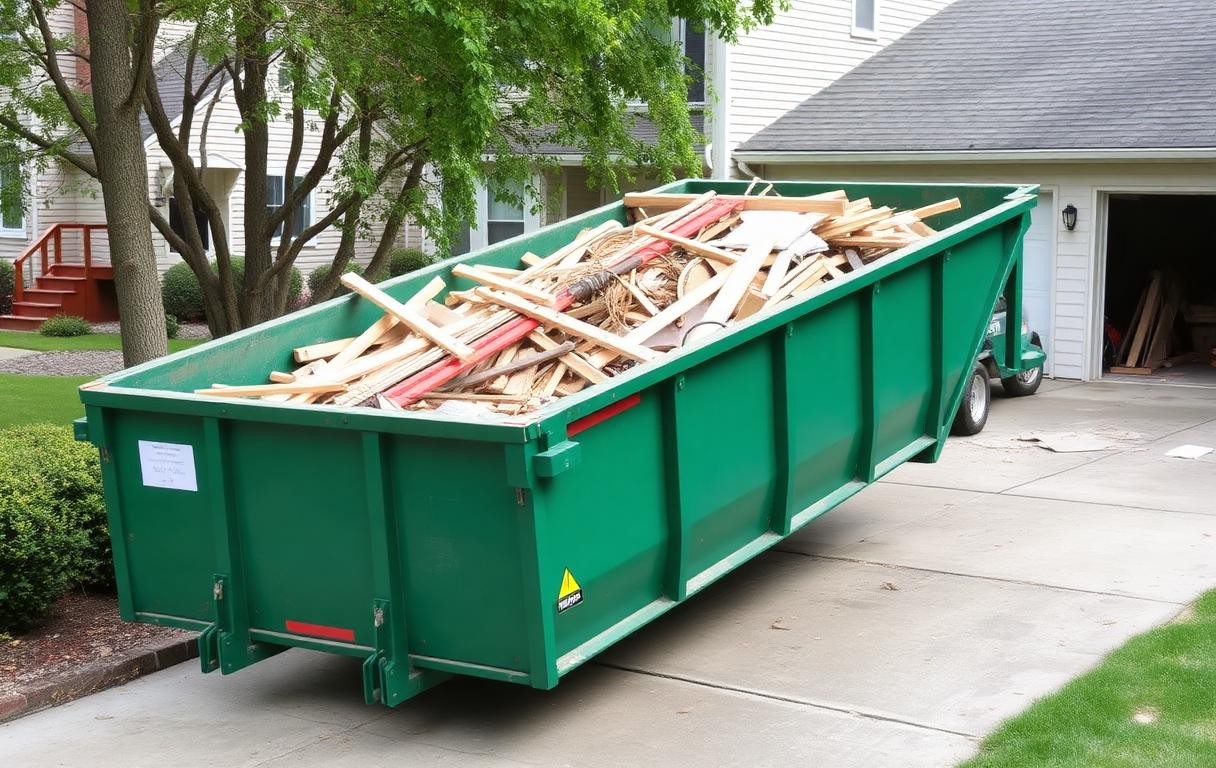
Who dumpster rentals are for
Homeowners, contractors, roofers, property managers, estates, and anyone tackling a project that creates more debris than the trash can hold.
Typical use cases
- Home renovations and remodels
- Roof tear-offs
- Garage, attic, and basement cleanouts
- Yard waste and storm debris
- Estate cleanouts
- Commercial buildouts
What's included
- Delivery to your driveway or jobsite
- Standard 7-day rental (longer terms available)
- Disposal at a licensed facility
- Pickup at end of term
- Clear weight allowance and overage rate
How delivery works
You call or fill out the contact form. We confirm the address, the unit, and a delivery window in writing — usually within the hour. On delivery day, our driver places the unit, walks the placement with whoever is on site, and answers questions. After that, your service or pickup schedule runs in the background.
Service schedule
Most rentals run 7 days. Need longer? We extend daily. Pickup is scheduled when you call or text — usually within 1–2 business days.
What affects pricing
Three things drive the quote: how many units, how long, and where they're going. Distance from our nearest yard, special access requirements, and mid-event service all factor in. We quote everything up front so you can budget without surprises.
Common customer mistakes
- Ordering the wrong size and paying for two deliveries
- Throwing prohibited items in (tires, paint, refrigerators)
- Overfilling above the rim — drivers can't legally haul those
- Blocking the dumpster in with vehicles on pickup day
Related services
Pair dumpster rentals with hand wash stations, ADA units, or a roll-off dumpster for a complete setup. Browse all services or check our resources for planning guides.
Frequently Asked Questions
How fast can you deliver dumpster rentals?
Most local orders are out the door within 1–3 business days. Same-day is possible for established accounts and emergency calls.
What's the minimum rental term for dumpster rentals?
One week is standard, but we routinely run multi-month construction contracts and single-day event rentals. Pricing scales with the term.
Are weekly service visits included?
Yes. Standard weekly service is part of the base rate. Additional service days are billed per visit at the rate quoted in your contract.
Do you handle permits?
We don't pull permits for you, but we'll tell you when one is likely required (typically street placement) and what your city or HOA usually asks for.
Dumpster Rental Planning Guide
Below are the questions we hear most often about this service, with the same answers our team gives over the phone every day.
Dumpster Rental Planning Guide — FAQs
What dumpster size should I choose?
Match the container to debris volume. 10-yard for bathroom remodels and concrete (≈3 pickup loads). 20-yard for kitchens, roofing, and most home remodels (≈6 loads). 30-yard for whole-house cleanouts and additions (≈9 loads). 40-yard for new construction and major commercial demo (≈12 loads). When in doubt, size up — re-load fees cost more than a size upgrade.
What can and cannot go into a dumpster?
Yes: wood, drywall, flooring, shingles, fixtures, furniture, general jobsite debris. No: hazardous waste, wet paint (dried is OK), oils, solvents, batteries, tires, propane tanks, refrigerators with refrigerant, asbestos, medical waste. Prohibited items trigger a re-sort fee and disposal-facility fines.
Do I need a permit for a dumpster?
Residential driveway placements almost never need a permit. Street placements, alleys, and some HOAs do. We'll flag permit likelihood during booking based on your address and placement, but the permit itself is on you to pull with the city.
How long can I keep the dumpster?
Standard rentals cover 7–10 days. Daily extensions are available at the rate in your contract — just call before your end date. Long-term construction accounts often run 30, 60, or 90-day rentals with scheduled swap-outs as the container fills.
What affects dumpster pricing?
Five factors: container size, rental length, debris type, weight limit (each container has a tonnage cap), and your local landfill tipping fees. Heavy materials (concrete, brick, dirt, roofing) usually have a separate flat-rate “clean load” option that's cheaper than a mixed load over the weight limit.
Can I overfill the dumpster?
No. Debris must sit at or below the top rim — the “fill line.” Overfilled containers are unsafe to haul and federal DOT regulations prohibit transport. If we arrive and the load is over the line, you'll get an opportunity to remove the excess or pay a re-load fee.
Need a quote today?
Talk to a real human about your project, get a same-day quote, and lock in delivery.